Sorts of Waterproofing: Exploring the Various Techniques and Their Applications
Waterproofing is a crucial element of construction and maintenance. It safeguards frameworks from the destructive impacts of water damage. There are several methods available, each with its one-of-a-kind applications and benefits. From membrane systems to cementitious solutions, recognizing these options is necessary for efficient execution. The choice of waterproofing approach can significantly affect toughness and long life. Discovering these various strategies reveals their distinct advantages and potential obstacles, triggering more factor to consider of excellent remedies.
Membrane Layer Waterproofing Equipments
Membrane waterproofing systems serve as an essential barrier versus water invasion in numerous frameworks. These systems typically are composed of slim sheets made from materials like rubber, thermoplastic, or bitumen, which are applied to surface areas to stop wetness infiltration. They can be mounted over or listed below grade and are especially reliable in locations vulnerable to high water direct exposure, such as cellars, roofing systems, and foundations.The setup process includes cleaning up the substrate, applying adhesives or primers, and exactly fitting the membrane to assure total coverage. Membrane systems can be either totally adhered, mechanically attached, or laid loose, depending upon the particular requirements of the task. They use toughness and versatility, accommodating architectural movements without endangering their waterproofing abilities. Additionally, these systems can be reinforced with added layers for enhanced protection. Inevitably, membrane layer waterproofing systems are crucial for securing frameworks against water damage and preserving lasting stability.
Liquid-Applied Waterproofing Coatings
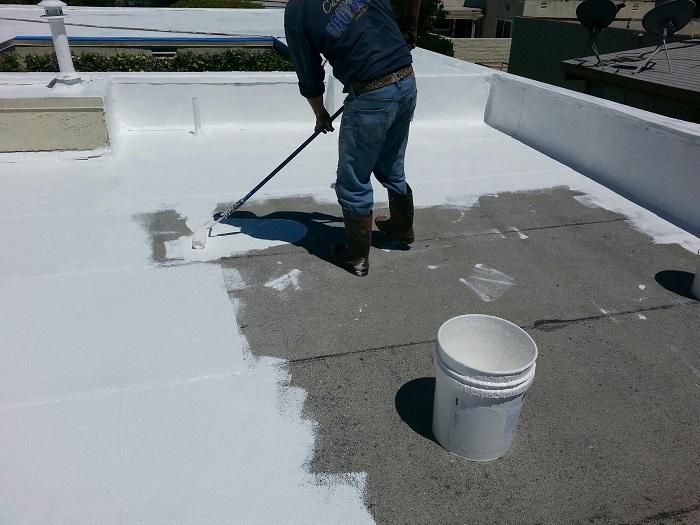
Liquid-applied waterproofing layers supply a functional service for protecting surfaces from water infiltration - Water Solutions Omaha. These layers are composed of fluid materials that, when applied, form a smooth, adaptable membrane layer. Their adaptability permits for application on different substratums, consisting of concrete, steel, and timber. The coverings can be used in diverse settings, from residential to commercial settings, making them ideal for roofing systems, foundations, and below-grade structures.One significant advantage of liquid-applied coatings is their capacity to adhere to uneven forms and permeate cracks, producing a durable barrier versus dampness. They commonly exhibit superb attachment residential properties and resistance to UV radiation, ensuring long life and resilience. Additionally, the application process is typically straightforward, permitting quick installment and lowered labor prices. This method also reduces the risk of water pooling, as the continual layer properly routes water away from vulnerable areas. Overall, liquid-applied waterproofing coatings are a reliable option for thorough water defense
Cementitious Waterproofing Solutions
Cementitious waterproofing services offer a durable choice for frameworks requiring reputable dampness security. These systems mainly make use of a mix of concrete, sand, and chemical ingredients to develop a water resistant barrier. They are usually applied to surfaces such as concrete walls, foundations, and floors, offering a resilient, resilient protection versus water intrusion.One of the vital benefits of cementitious waterproofing is its convenience of application; it can be applied using a brush, roller, or spray, making it appropriate for different job dimensions. Furthermore, this method works with many surface areas and can frequently be made use of together with various other waterproofing techniques.Cementitious services are specifically effective in atmospheres where water direct exposure is an issue, such as cellars or below-grade structures. Their excellent bond residential or commercial properties ensure that they bond well with substratums, offering a solid and impermeable layer against wetness infiltration.
Bentonite Waterproofing
Bentonite waterproofing is a very effective method that makes use of salt bentonite clay to produce a natural obstacle versus water. This method exploits the unique properties of bentonite, which expands upon call with water, securing any prospective leaks and avoiding wetness seepage. It is generally utilized in numerous applications, including structure walls, passages, and preserving wall surfaces, where water resistance is essential.Bentonite can be applied in a number of types, such as panels or coverings, supplying flexibility in installation. Its ability to self-seal makes it an attractive alternative for areas based on shifting soil or changing water degrees. Furthermore, bentonite waterproofing is eco friendly, as it is an all-natural product that does not introduce harmful chemicals right into the environments.
Drain and External Waterproofing Solutions
Reliable waterproofing typically involves a combination Discover More of approaches, consisting of drainage and exterior systems. Drainage systems, such as French drains and sump pumps, are designed to reroute water far from structures, lowering hydrostatic stress against foundations. These systems are necessary in avoiding water buildup that can bring about architectural damages and mold growth.External waterproofing, on the other hand, entails using protective obstacles to the building's outside. Methods such as the installation of waterproof membrane layers, finishes, or sealers can aid stop water seepage. This approach not just secures the structure yet also enhances the overall longevity of the structure.Together, drainage and exterior waterproofing systems create an extensive option to handle water successfully. By carrying out these strategies, property proprietors can safeguard their financial investments versus the destructive effects of dampness, making sure long-term security and safety my link and security for their buildings.
Often Asked Concerns
Just how Do I Select the Right Waterproofing Method for My Job?
Choosing the appropriate waterproofing approach depends on factors such as project type, environmental conditions, budget plan, and preferred long life. Evaluating these aspects enables informed decisions customized to particular demands and requirements.

Can Waterproofing Be Applied in Cold Weather Condition Conditions?
Waterproofing can be applied in chilly climate conditions, but it calls for particular materials and strategies. Cold temperature levels may impact healing times and adhesion, requiring mindful selection of items created for low-temperature application.
What Are the Usual Signs of Waterproofing Failure?
Usual signs of waterproofing failing consist of noticeable water stains, peeling off paint, damp odors, mold and mildew growth, and cracks in wall surfaces or structures. French drain installation Omaha. These signs suggest that wetness is passing through the barrier, compromising its effectiveness
The Length Of Time Does Waterproofing Last Prior To Needing Maintenance?
The long life of waterproofing differs, typically lasting in between 5 to 10 years. Variables such as material top quality, ecological conditions, and upkeep practices affect its longevity, requiring regular evaluations to guarantee efficient defense against water invasion.
Exist Eco-Friendly Waterproofing Options Available?
The question of green waterproofing options reveals an expanding passion in sustainable materials (Drainage & waterproofing basics company Omaha). Various natural compounds, such as plant-based sealers and recycled items, use efficient services while reducing environmental effect, interesting environmentally conscious consumers
Comments on “Foundation waterproofing Omaha: The Long-Term Investment”